Explore The British Isles

West Yorkshire
West Yorkshire is a metropolitan county in northern England, known for its mix of vibrant cities, historic towns, and countryside shaped by centuries of industry and agriculture. Formed in 1974, it encompasses the urban centres of Leeds, Bradford, Wakefield, Huddersfield, and Halifax, creating a region with a strong combined cultural and economic presence. Despite its industrial legacy and densely populated areas, West Yorkshire also includes stretches of moorland, river valleys, and rural villages that offer a striking contrast to its bustling city cores. This blend of landscapes and histories gives the county a distinctive identity within the wider Yorkshire region.
The county’s growth was heavily driven by the Industrial Revolution, particularly through textiles, wool processing, engineering, and coal mining. Leeds developed into a major commercial and manufacturing centre, with mills, warehouses, and railways shaping much of its early urban expansion. Bradford became world-famous for its wool industry, recognised as the global centre of worsted production, while towns such as Halifax, Dewsbury, and Batley thrived through weaving, carpet-making, and textile trading. Although these traditional industries have largely declined, their influence remains visible in the preserved mill buildings, Victorian architecture, and cultural institutions that continue to celebrate the area’s industrial heritage.
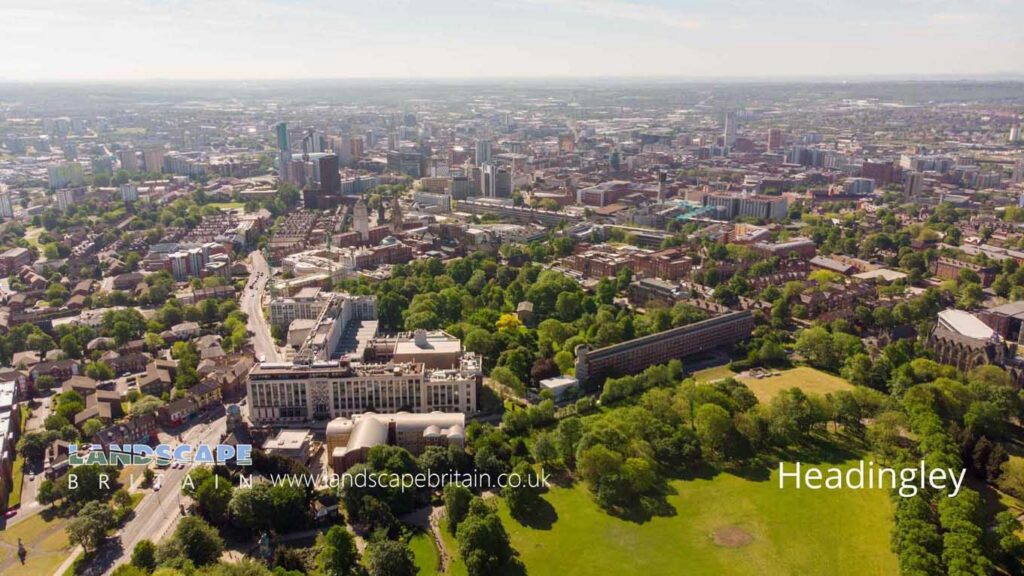
Modern West Yorkshire is highly diverse and culturally dynamic. Leeds has grown into a major financial, educational, and creative hub, home to universities, theatres, galleries, and a thriving food and nightlife scene. Bradford is renowned for its strong multicultural identity, film heritage, and celebrated cuisine, reflecting generations of migration and community development. Wakefield, with its cathedral, art galleries, and museum spaces, contributes to the region’s cultural richness, while Huddersfield and Halifax provide their own mix of academic life, music traditions, and historic architecture. The Piece Hall in Halifax, a Georgian cloth hall transformed into a cultural and event space, is one of the most notable modern revitalisation projects in the county.
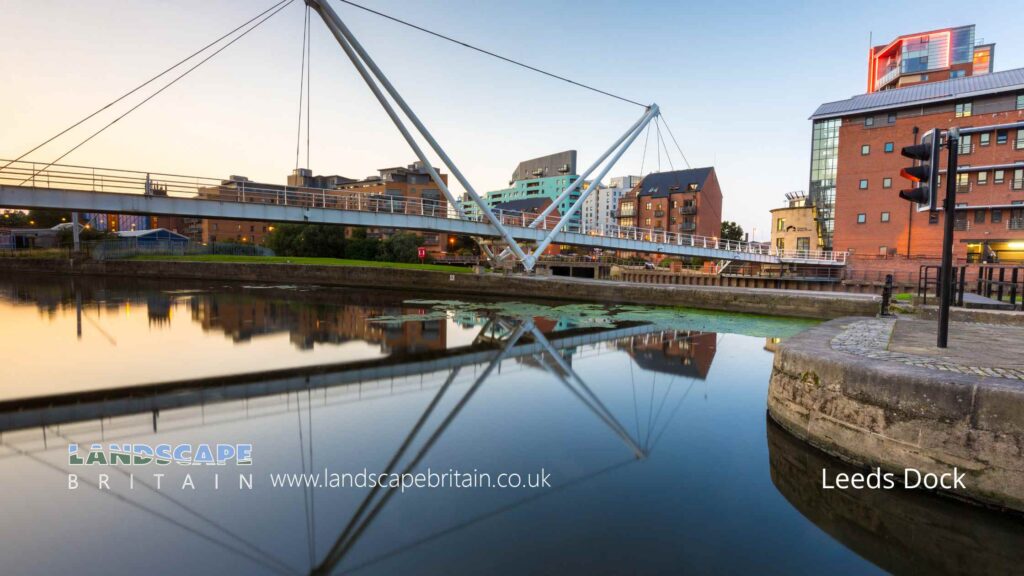
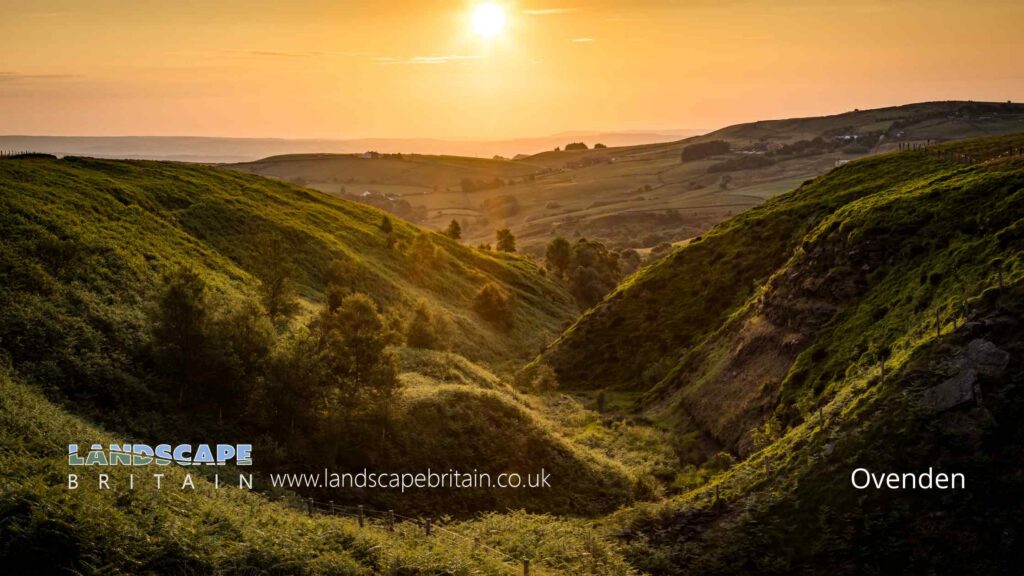
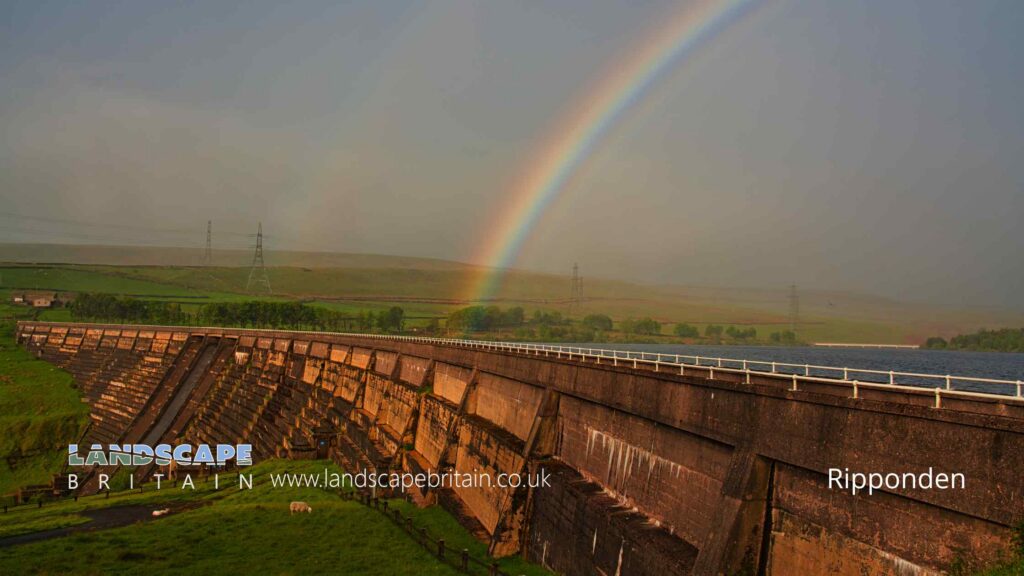
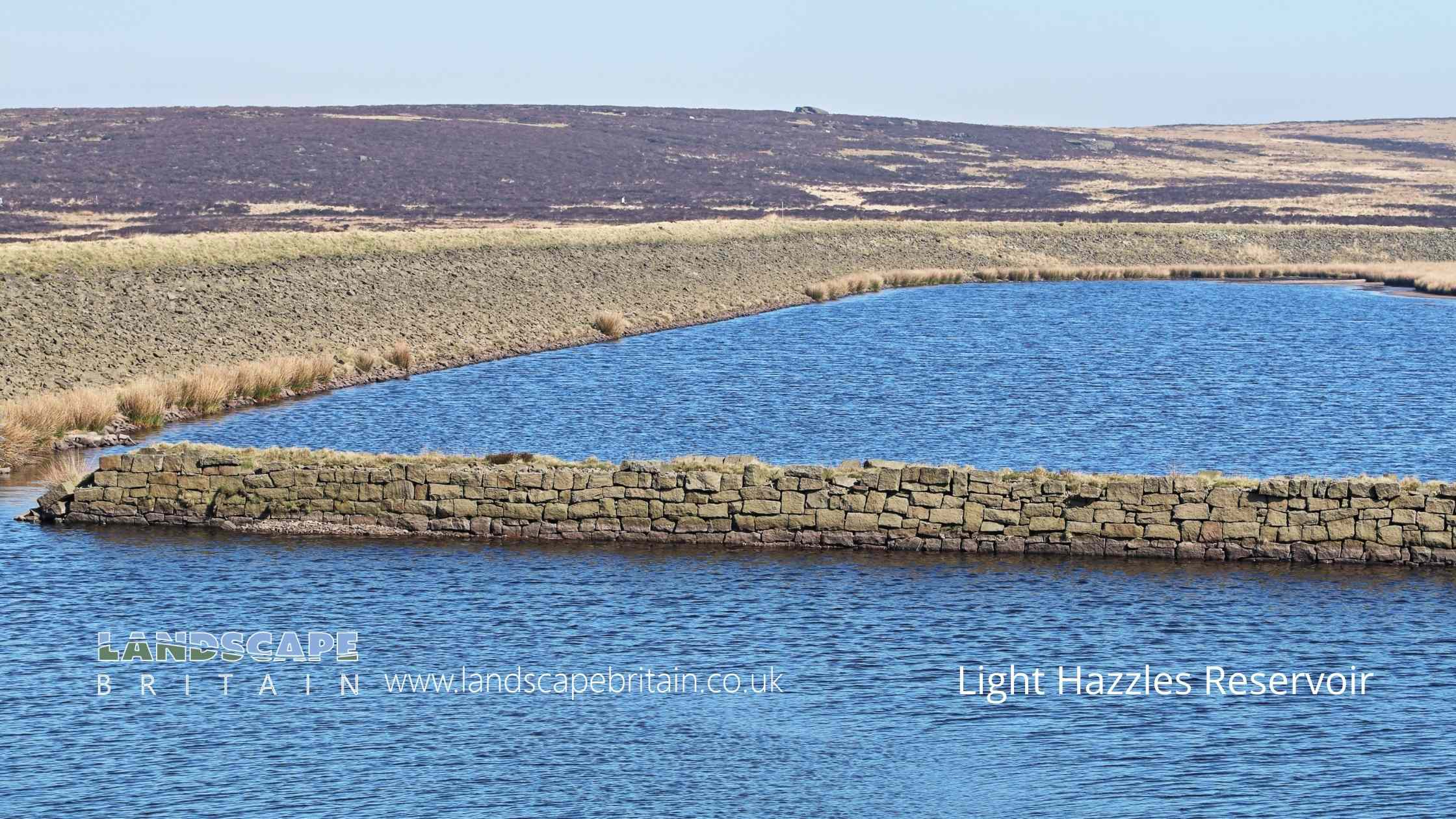
West Yorkshire’s natural environment remains an important part of its character. The Pennines stretch along its western edge, bringing moorland, open hills, and dramatic views that have inspired artists and writers for centuries. Areas such as Ilkley Moor, Haworth Moor, and the valleys of Calderdale and Kirklees offer popular walking routes and outdoor recreation, while the region’s rivers and canals add further scenic interest. The mixture of industrial waterways, wooded valleys, and rugged uplands provides a varied landscape that links urban areas with the surrounding countryside.
Culturally, the county carries strong literary and artistic associations. Haworth, home of the Brontë family, is a significant landmark for literature enthusiasts, its moorland surroundings famously tied to works such as Wuthering Heights. Leeds and Bradford host major festivals, including film, music, and cultural celebrations that reflect the region’s creative energy. West Yorkshire also has a strong tradition of brass bands, folk music, and community arts, as well as a vibrant theatre and performing arts presence supported by multiple venues across the county.
Economically, West Yorkshire has undergone significant change in recent decades. While manufacturing still plays a role, the region has diversified into finance, healthcare, digital technology, higher education, retail, and logistics. Leeds in particular has emerged as one of the UK’s key financial and legal centres outside London. Improvements in transport, including extensive rail links and ongoing infrastructure projects, have strengthened the county’s connections with the rest of the country and supported regeneration efforts across former industrial towns.
Despite periods of economic challenge, West Yorkshire remains resilient and forward-looking. Regeneration schemes, cultural investment, and support for new industries have helped transform many urban areas, while strong community identities and local traditions continue to shape everyday life. The county retains a balance between heritage and modernity, offering everything from lively city centres to peaceful moorland retreats.
With its combination of industrial history, cultural diversity, scenic landscapes, and evolving urban life, West Yorkshire stands as one of northern England’s most characterful regions. Whether exploring its Victorian architecture, walking across its moors, or experiencing its arts and food scenes, the county offers a rich and varied picture of Yorkshire’s past and present.