Explore The British Isles

West Midlands
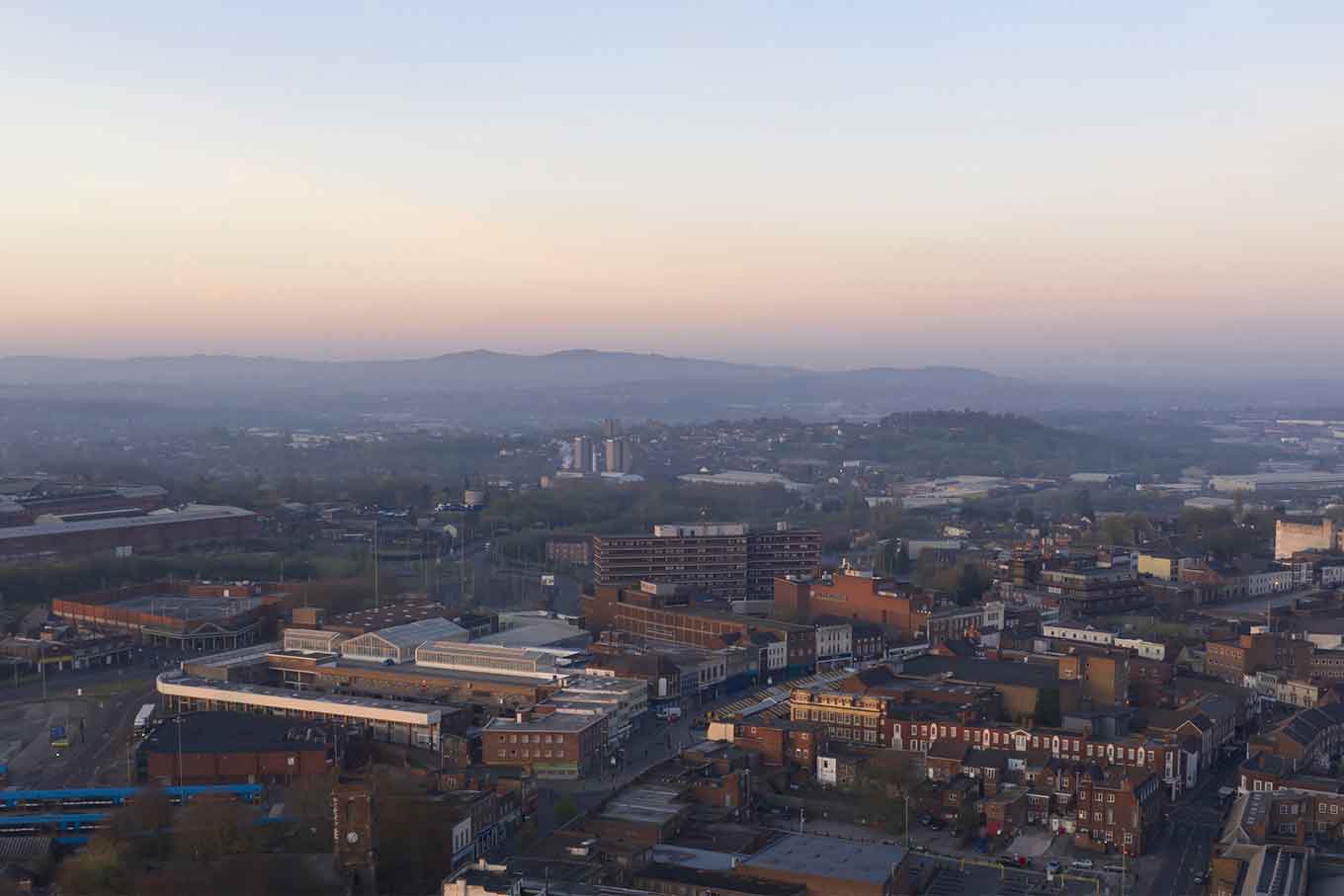
The West Midlands is a densely populated and historically influential region at the heart of England, known for its industrial heritage, cultural diversity, and major urban centres. Centred around the cities of Birmingham, Coventry, and Wolverhampton, the area has long been one of the UK’s most important hubs of manufacturing, trade, and innovation. Despite being one of the smallest counties by area, it is one of the most populous, with a landscape shaped by urban development, Victorian infrastructure, and green pockets that reflect its earlier rural origins.
The region’s history is defined by the Industrial Revolution, during which the West Midlands emerged as a global powerhouse of engineering and manufacturing. Birmingham became renowned as the “workshop of the world”, producing everything from metal goods to machinery, while nearby towns such as Dudley, Walsall, and West Bromwich contributed to the Black Country’s legacy of coal mining, ironworking, and glassmaking. Coventry developed a strong reputation for watchmaking before becoming a major centre for the British motor industry, with car and bicycle production playing a huge role in its growth. Although heavy industry has declined, its legacy remains visible in historic factories, canals, museums, and engineering firms that continue to operate today.
Modern West Midlands is deeply shaped by its cultural breadth and diverse population. Birmingham is one of the UK’s most multicultural cities, with communities originating from across Europe, South Asia, the Caribbean, and the Middle East contributing to its food, music, festivals, and daily life. The city’s cultural institutions include the Birmingham Museum & Art Gallery, Symphony Hall, the Hippodrome, and a large network of theatres, studios, and independent venues. Coventry, designated UK City of Culture in recent years, blends its medieval heritage with modern architecture shaped by post-war rebuilding, while Wolverhampton, with its theatres, galleries, and strong industrial identity, adds another layer to the region’s cultural landscape.
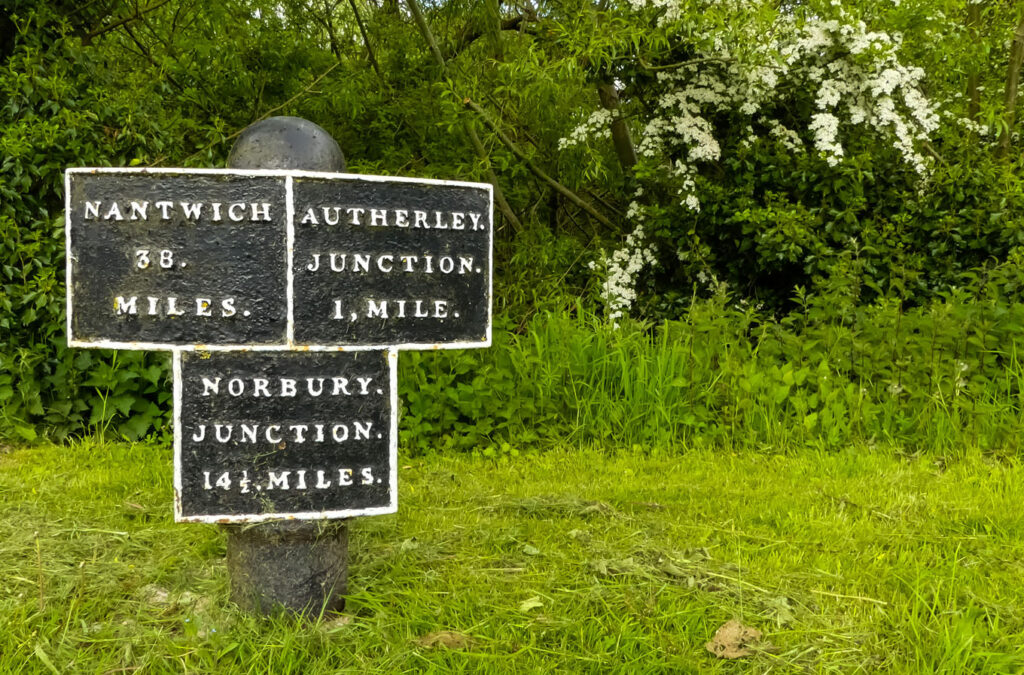
Green spaces play a more significant role in the West Midlands than many expect. The region includes large parks, nature reserves, and countryside edges that provide relief from the urban environment. Sutton Park in Birmingham is one of the largest urban parks in Europe, while the canal network—originally built to support industry—now offers scenic walking and cycling routes. The surrounding areas of the Black Country contain pockets of reclaimed woodland and open space, illustrating the area’s long transition from heavy industry to greener living environments.
Economically, the West Midlands has diversified considerably. Advanced engineering, automotive research, education, finance, logistics, and digital industries all contribute to the modern economy. The region is home to major universities, including the University of Birmingham, Aston University, and Coventry University, which play active roles in innovation, healthcare research, and technology. Birmingham’s role as a national transport hub has grown with the expansion of rail infrastructure and ongoing regeneration projects, including the redevelopment of city districts, shopping areas, and business centres.
Sport and community traditions are also central to the region’s identity. Football clubs such as Aston Villa, Birmingham City, Wolverhampton Wanderers, and West Bromwich Albion have long-standing followings and contribute strongly to local culture. The area also has deep connections to cricket, athletics, and grassroots sports, supported by large venues and training facilities. Local festivals, carnivals, and markets reflect the region’s mixture of heritage and multicultural influences.
Despite extensive urbanisation, the West Midlands continues to balance growth with efforts to preserve heritage and improve quality of life. Regeneration across former industrial areas has created new housing, cultural districts, and business hubs, while conservation projects protect historic sites and community landmarks. The region’s identity, shaped by centuries of innovation, migration, and cultural exchange, remains one of resilience and reinvention.
With its combination of industrial history, modern creativity, diverse communities, and ongoing transformation, the West Midlands presents a richly layered picture of urban England. Whether exploring its cultural institutions, walking along its canals, or experiencing its varied neighbourhoods, the region reveals a depth and character that reflects both its past achievements and its evolving future.