Explore The British Isles

Somerset
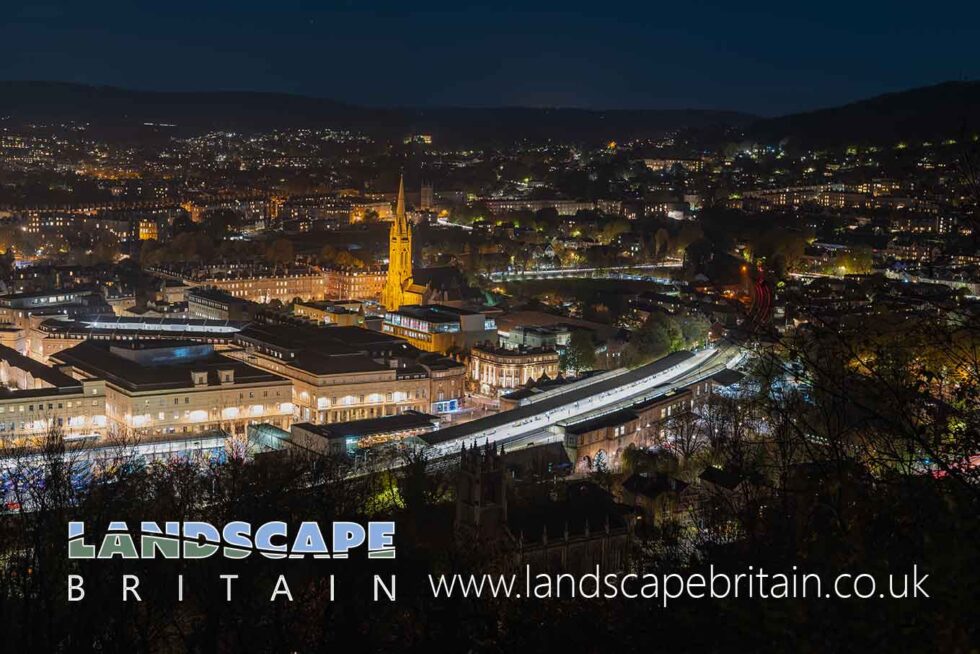
Somerset is a largely rural and historically rich county in the south-west of England, known for its rolling hills, ancient sites, and strong sense of local identity. Stretching from the flat expanses of the Somerset Levels to the dramatic hills of Exmoor and the Mendips, it offers one of the most varied landscapes in the region. Its mixture of farmland, coastline, market towns, and distinctive geology gives Somerset a character that is both deeply traditional and quietly diverse, reflecting centuries of settlement and agricultural life.
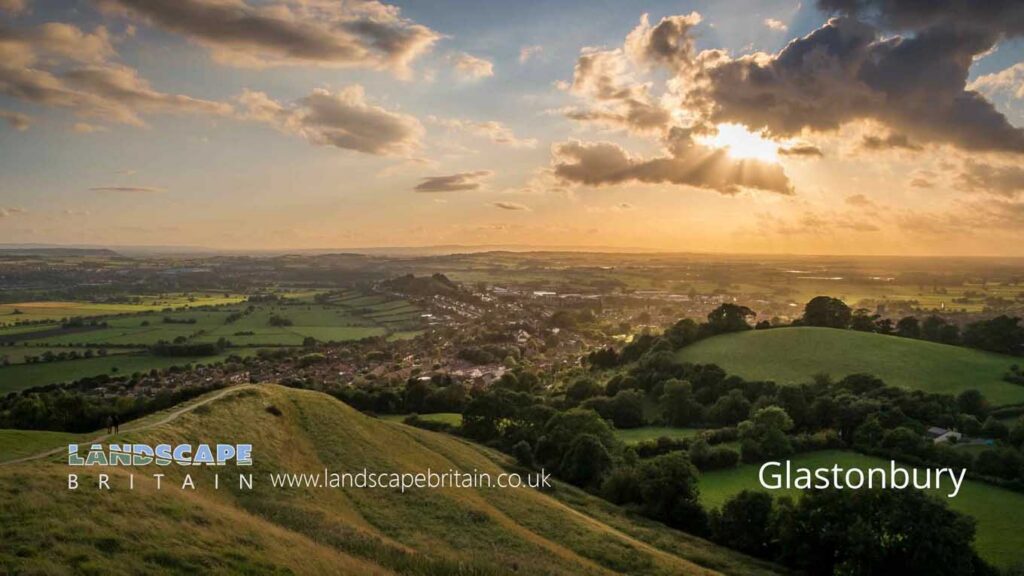
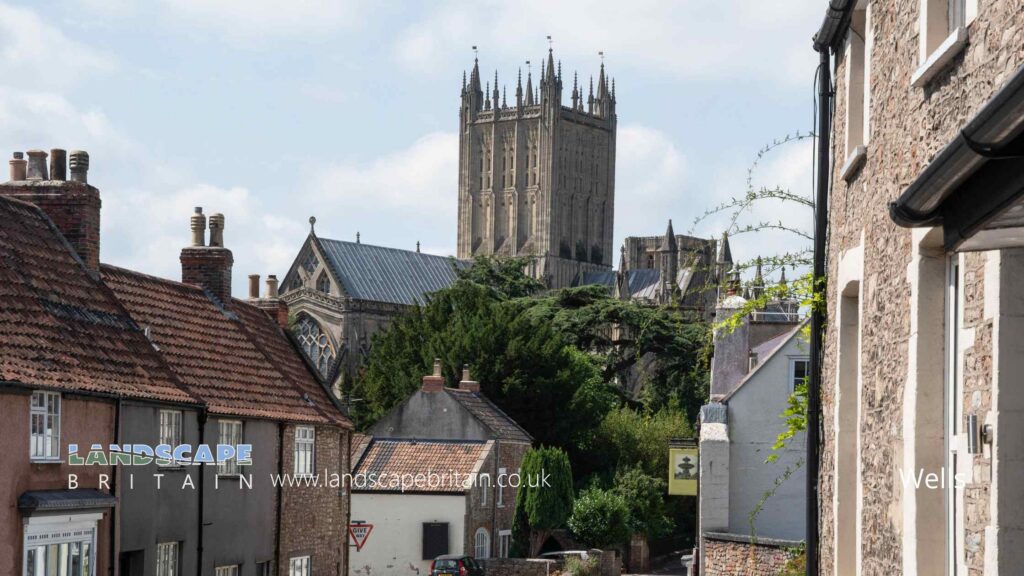
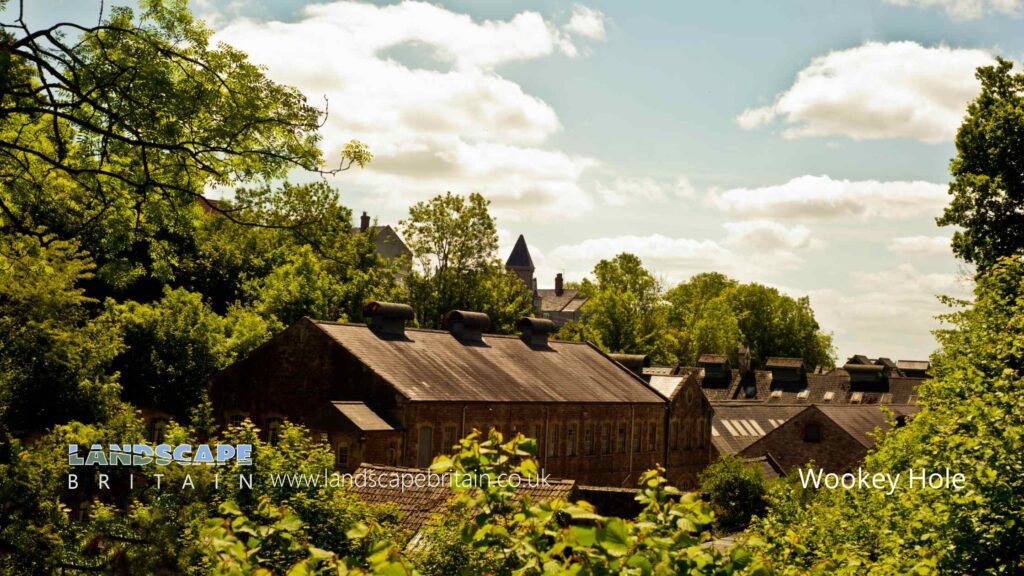
The history of Somerset reaches back to prehistoric times, with notable archaeological sites scattered throughout the county. The ancient monument of Glastonbury Tor, rising above the Levels, has long been associated with myth and legend, while the nearby town of Glastonbury carries strong spiritual and cultural connections. The city of Wells, England’s smallest city, is home to a stunning Gothic cathedral and one of the best-preserved medieval street scenes in the country. Taunton, the county town, has a history shaped by castles, cloth-making, and the Monmouth Rebellion, and remains an important administrative and commercial centre. Across the county, medieval churches, historic houses, and centuries-old farmsteads show how deeply Somerset’s heritage is woven into its landscape.
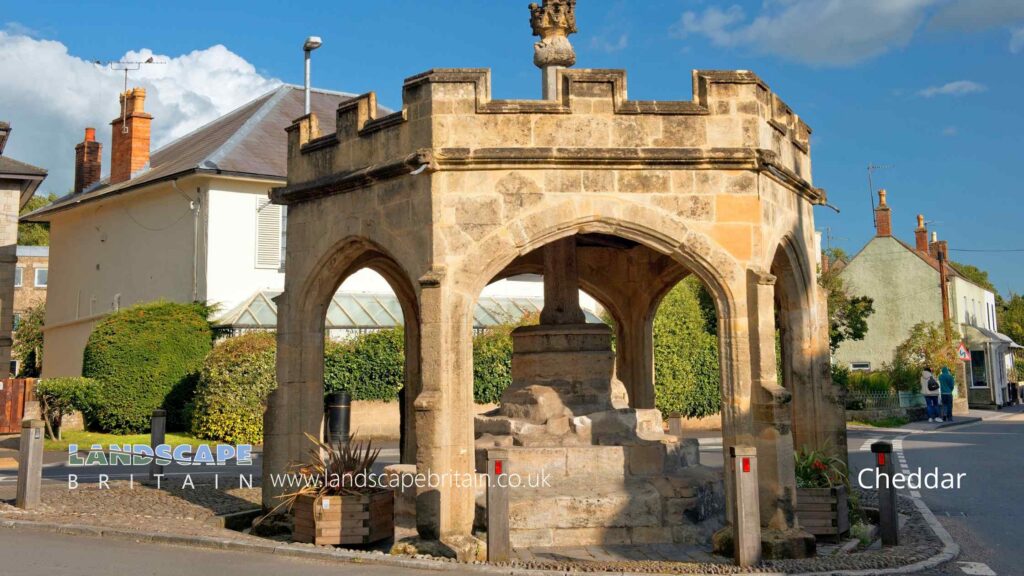
Agriculture has always been central to life in Somerset, and it continues to shape the county’s identity. Dairy farming is particularly important, with Somerset well known for its cheeses, especially Cheddar, which takes its name from the village near the dramatic Cheddar Gorge. Cider-making is another defining tradition, with orchards and small producers found throughout the county. These long-standing rural practices give Somerset a strong connection to its land, reflected in local fairs, food festivals, and community events that celebrate the area’s produce and customs. Alongside farming, industries such as tourism, defence, engineering, and energy production also play significant roles in the modern economy.
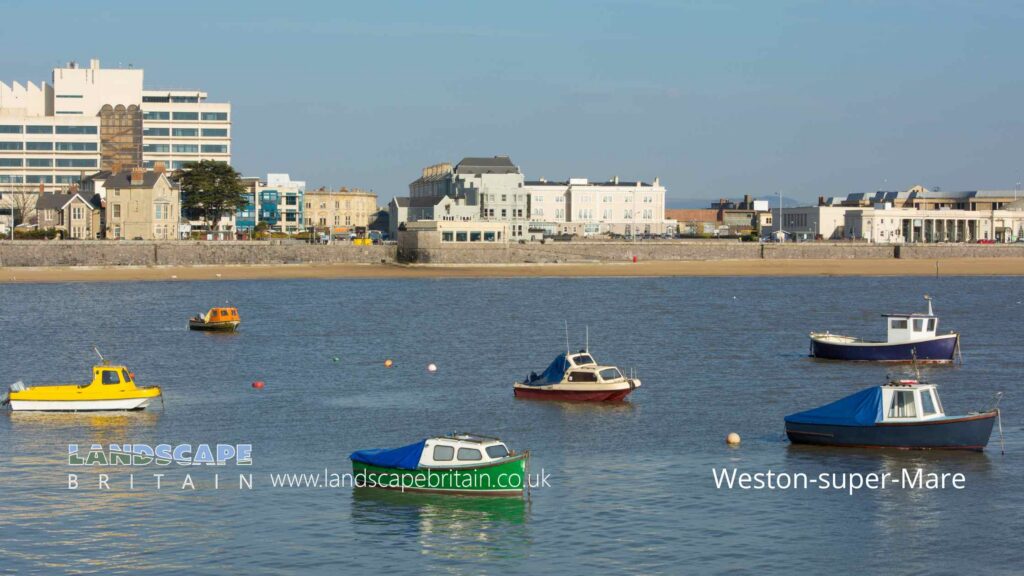
The natural environment of Somerset is one of its greatest attractions. The Somerset Levels, a vast area of wetlands and reclaimed land, are rich in wildlife and birdlife and provide atmospheric views across wide, open spaces. The Mendip Hills and Quantock Hills, both designated Areas of Outstanding Natural Beauty, offer excellent walking, cycling, and riding routes through limestone gorges, wooded valleys, and open heathland. To the west, Exmoor National Park spans the border with Devon, bringing dramatic coastal cliffs, moorland, and deeply cut combes that add a wilder dimension to the county’s scenery. Somerset’s coastline, stretching from the Severn Estuary to the Bristol Channel, includes sandy beaches, nature reserves, and historic seaside towns such as Minehead and Burnham-on-Sea.
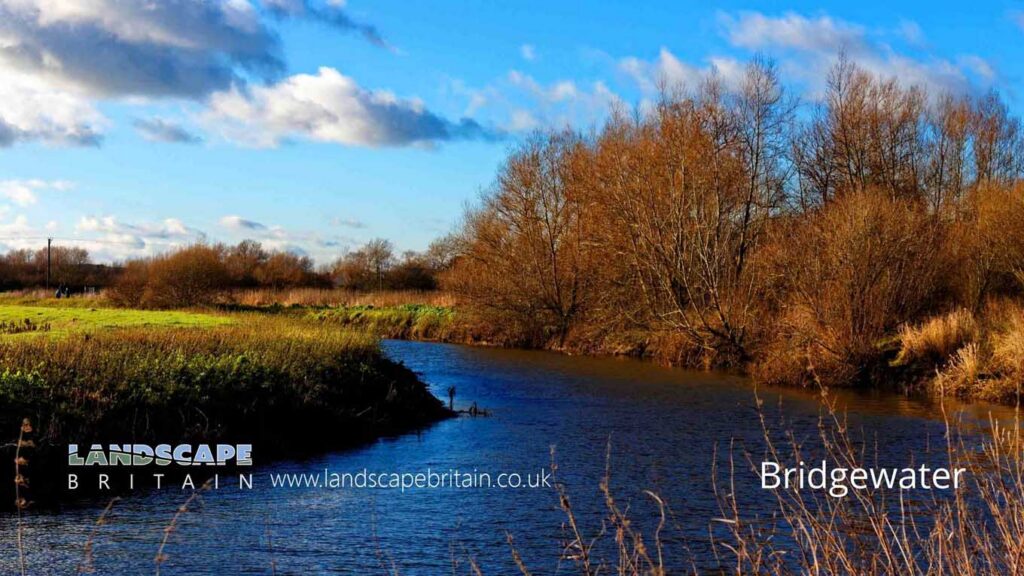
Culturally, Somerset has a strong sense of place rooted in music, folklore, crafts, and community traditions. The county is perhaps best known globally for the Glastonbury Festival, one of the world’s most famous music events, which draws hundreds of thousands of visitors each year. Local crafts, agricultural shows, and seasonal celebrations contribute to a lively cultural calendar. Towns such as Frome, Yeovil, Bridgwater, and Shepton Mallet each offer their own mix of heritage, markets, independent shops, and arts venues. Bridgwater’s illuminated carnival, one of the largest events of its kind in Europe, is a standout example of Somerset’s distinctive traditions.
Despite its largely rural feel, Somerset continues to adapt to modern needs. Transport links, educational institutions, and growing industries have brought change, particularly in and around towns with expanding populations. However, the county remains committed to preserving its landscapes, heritage, and local character. Efforts to protect the Levels, conserve historic buildings, and sustain traditional farming practices reflect a balance between growth and continuity.
With its blend of ancient history, varied landscapes, strong rural traditions, and thriving cultural life, Somerset stands as one of England’s most distinctive counties. Whether exploring its hills, visiting its historic towns, or enjoying its food and festivals, the region offers a depth of character and sense of place that leaves a lasting impression.