Explore The British Isles

North Yorkshire
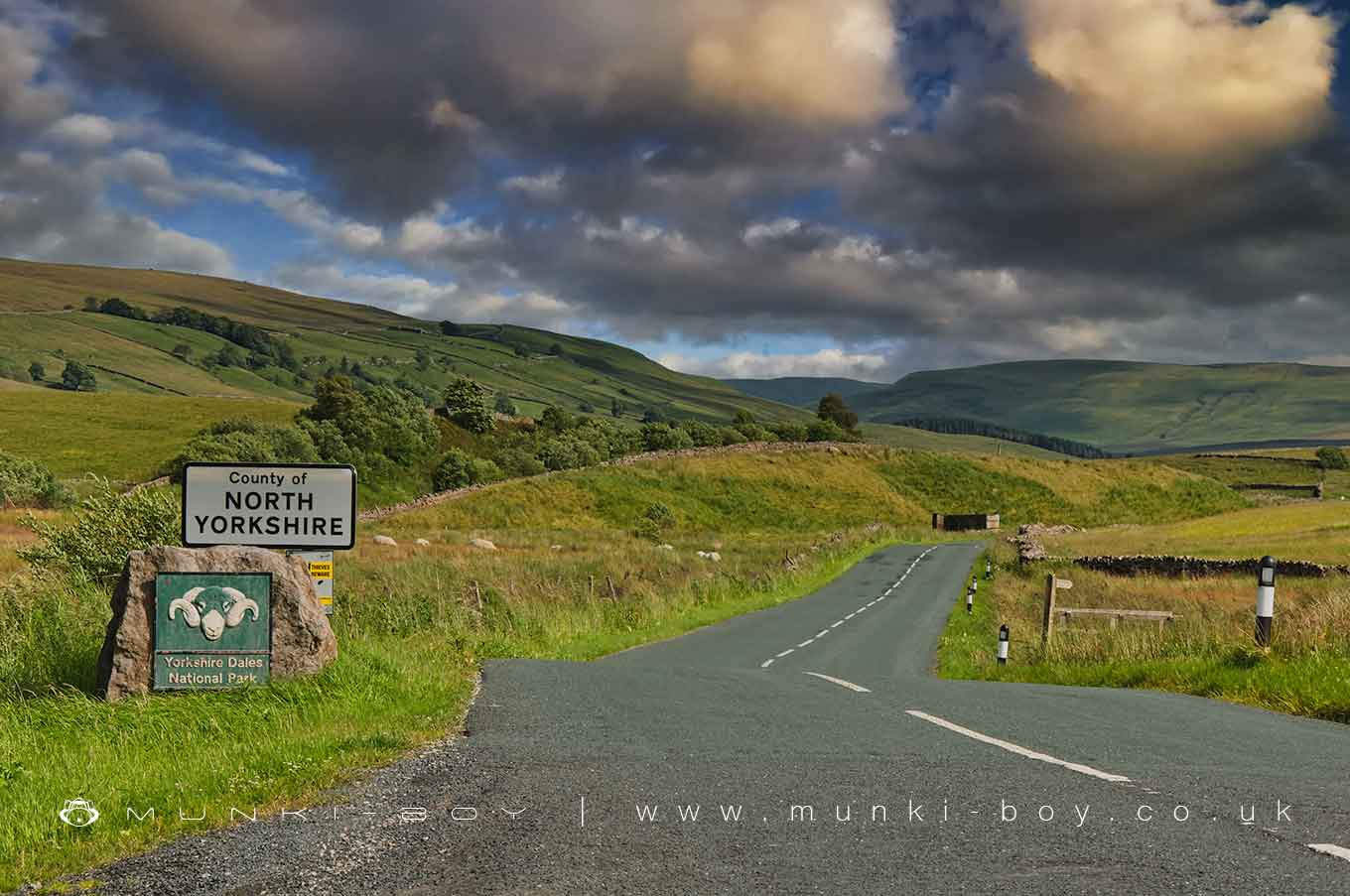
North Yorkshire is the largest ceremonial county in England, known for its expansive landscapes, historic towns, and a deep-rooted rural character that defines much of its identity. Stretching from the Pennines in the west to the North Sea coastline in the east, the county encompasses two of the UK’s most celebrated national parks: the Yorkshire Dales and the North York Moors. Its vast open spaces, sweeping valleys, and striking coastlines make North Yorkshire one of the most picturesque and varied regions in the country, offering both tranquillity and dramatic scenery in equal measure.
The area has a rich and complex history, shaped by ancient settlements, Viking influence, monastic communities, and medieval market towns. York, although administered separately, remains the historical and cultural heart of the region, with its famous Minster, walls, and Roman origins. Across North Yorkshire itself, towns such as Ripon, Richmond, Whitby, and Skipton each embody different aspects of the county’s past. Ripon’s cathedral, Richmond’s imposing Norman castle, Whitby’s abbey ruins overlooking the harbour, and Skipton’s well-preserved medieval castle illustrate the strong historic thread running through the county. Rural villages often feature stone-built cottages, traditional greens, and centuries-old churches, maintaining a sense of continuity with earlier generations.
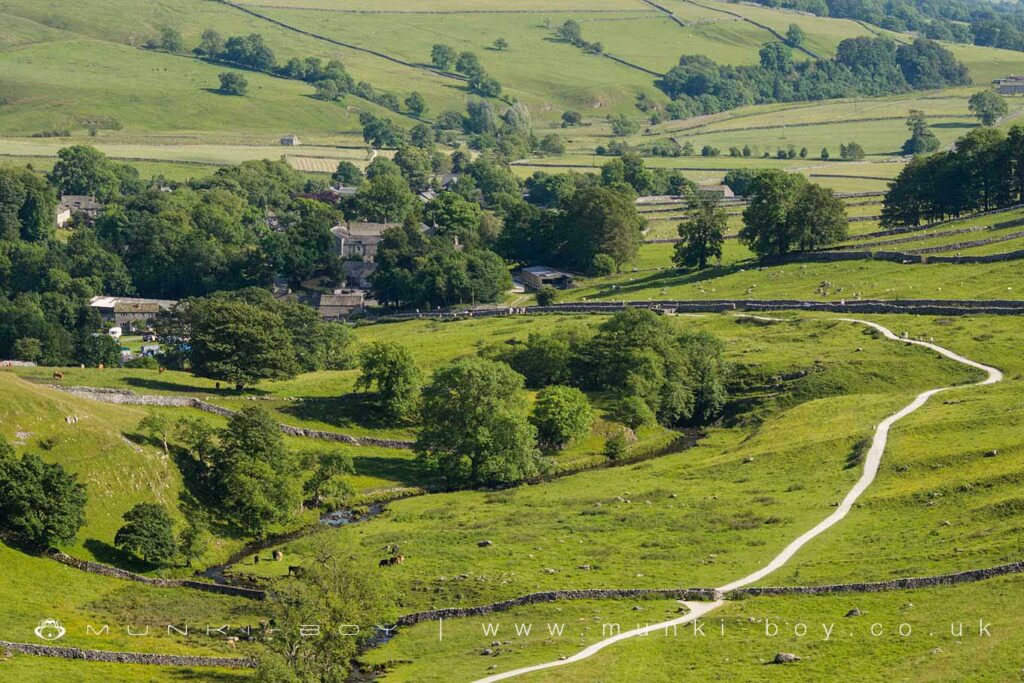
The natural environment is perhaps North Yorkshire’s greatest asset. The Yorkshire Dales are characterised by their limestone landscapes, dry-stone walls, patchwork fields, and secluded valleys, while the North York Moors offer vast heather uplands, ancient woodlands, and expansive horizons. Both areas support diverse wildlife and provide opportunities for walking, cycling, climbing, and exploring remote countryside. The coastline adds another distinctive dimension: from the dramatic cliffs at Staithes and Saltburn to the beaches and fishing heritage of Whitby, Scarborough, and Filey. Together, these landscapes give the county a remarkable range of outdoor experiences within a relatively short distance.
Agriculture remains central to life in much of North Yorkshire, with farming shaping the landscape and traditions of local communities. Sheep farming is particularly prominent in the upland areas, while more mixed farming and arable crops are found across the lower-lying plains. Local produce, markets, and agricultural shows reflect the county’s rural foundations and contribute to its strong sense of regional identity. At the same time, tourism has become a major part of the local economy, attracting visitors to the national parks, historic sites, coastal towns, and scenic villages throughout the year.
Culturally, North Yorkshire is known for its literary links, artistic heritage, and distinctive local traditions. Whitby’s connection with Bram Stoker’s Dracula, the Brontë ties to Haworth just beyond the county boundary, and the influence of the landscape on artists and writers all contribute to its creative reputation. Towns such as Harrogate and Thirsk offer a blend of spa heritage, independent shops, museums, and festivals celebrating everything from music to food. Many smaller communities maintain long-standing customs, local fairs, and seasonal events that reinforce a strong sense of place and continuity.
Despite its predominantly rural nature, North Yorkshire has adapted to modern demands while preserving its landscapes and communities. Transport links, including rail routes such as the East Coast Main Line and scenic heritage railways, connect the area with the wider region. New businesses and industries have developed alongside traditional sectors, particularly in areas such as technology, hospitality, and food production. However, the county’s defining qualities remain its space, scenery, and slower pace of life.
With its blend of historic towns, world-famous countryside, coastal charm, and enduring rural traditions, North Yorkshire stands out as one of England’s most varied and characterful counties. Whether exploring its moorland tracks, visiting its ancient landmarks, or simply enjoying the quiet beauty of its landscapes, the region offers a depth and richness that leave a lasting impression.