Explore The British Isles

Cheshire
Cheshire is a largely rural county in the north-west of England, known for its rolling countryside, historic market towns, and blend of agricultural traditions with modern economic growth. Bordered by Greater Manchester, Merseyside, Shropshire, Staffordshire, and Wales, it occupies a strategically important position while retaining a distinctly peaceful and spacious character. Its mix of open farmland, woodland, and waterways contributes to a landscape that feels both scenic and settled, offering a more relaxed pace of life compared with the urban centres nearby.
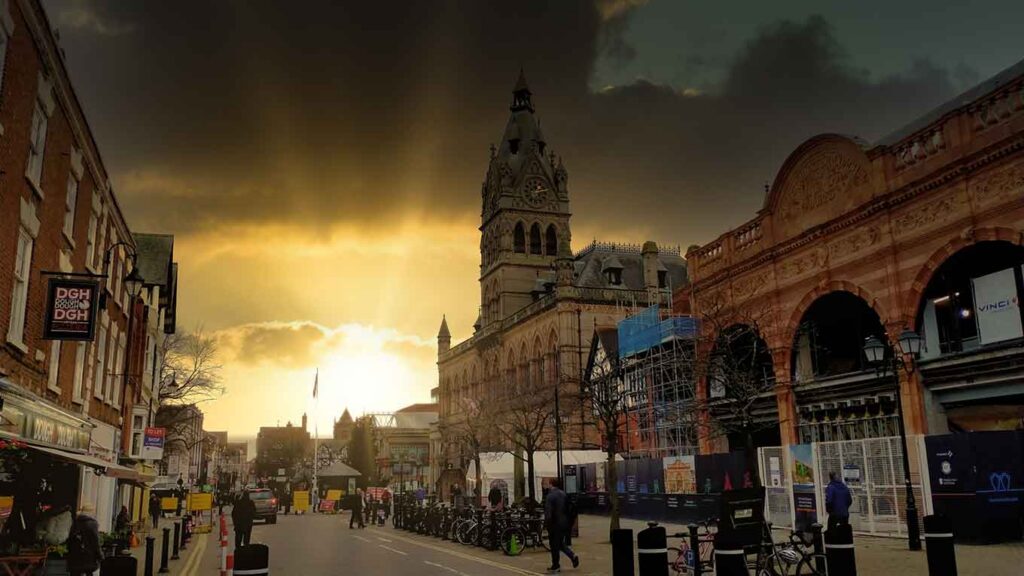
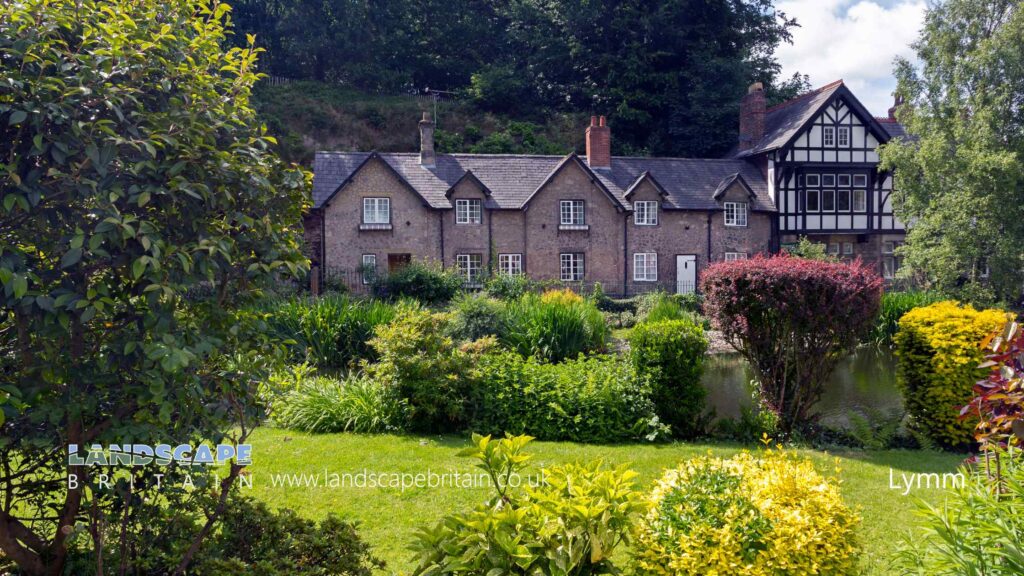
The county has deep historical roots, stretching back to Roman times. Chester, Cheshire’s county town, was founded as the fortress of Deva Victrix and remains one of the best-preserved walled cities in Britain. Its Roman amphitheatre, medieval walls, and unique black-and-white Rows give the city an architectural and historical richness unmatched elsewhere in the region. Across the wider county, remnants of medieval estates, historic halls, and centuries-old churches are scattered through villages and towns, illustrating a long history shaped by agriculture, trade, and aristocratic influence. Many estates, such as Tatton Park and Arley Hall, continue to draw visitors for their grand houses and extensive gardens.
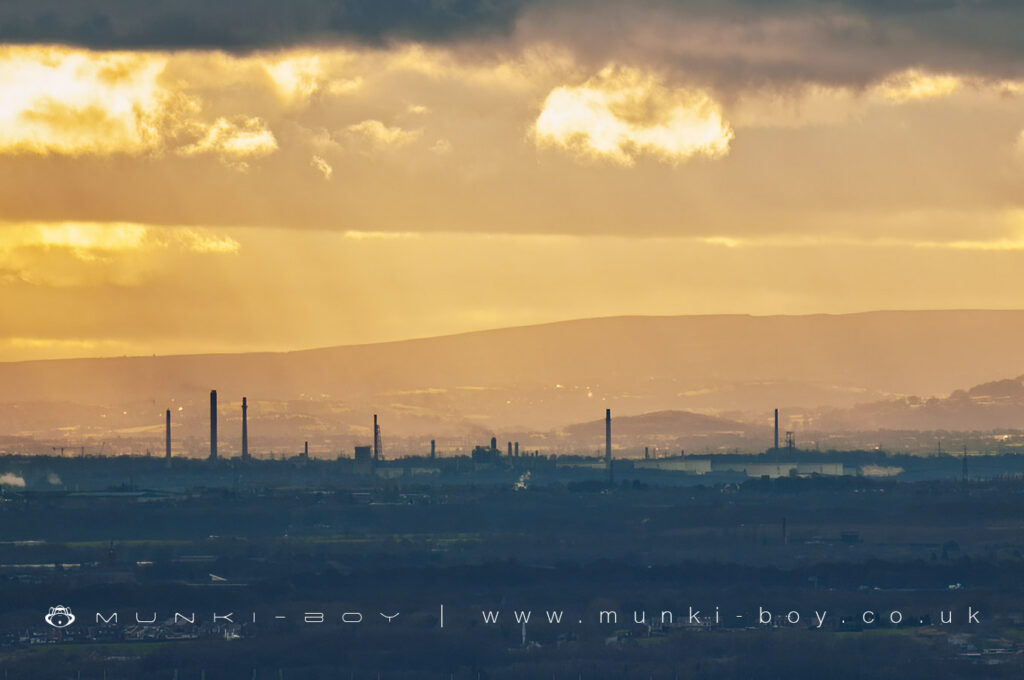
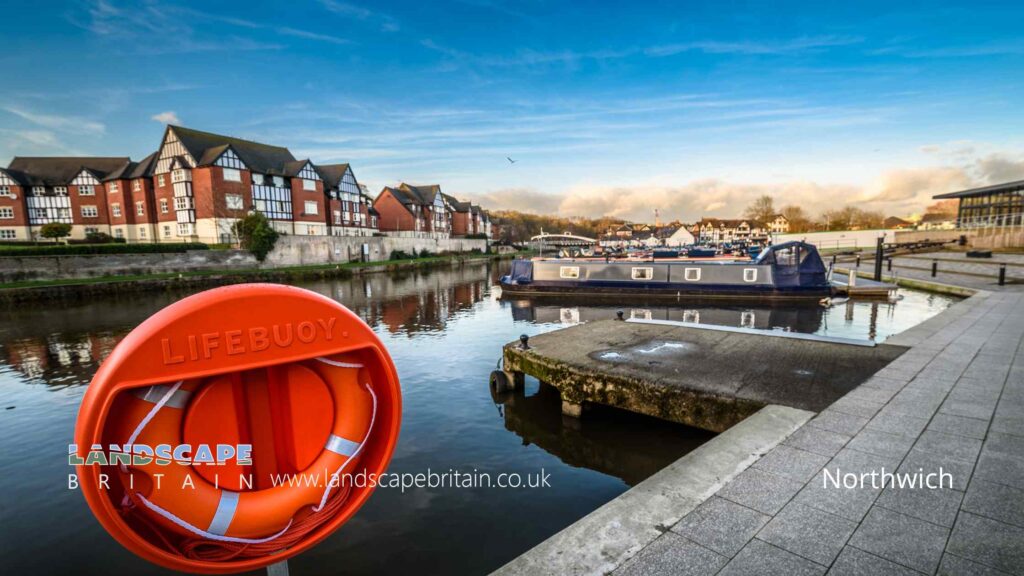
Cheshire’s rural identity has historically been tied to farming, particularly dairy, which has long been central to its economy. The county is famously associated with Cheshire cheese, one of the oldest recorded cheeses in England. Although modern agriculture has changed significantly, dairy farming and food production still play an important role. At the same time, Cheshire has developed a strong presence in other industries, including chemicals, science, engineering, and distribution, especially around Northwich, Ellesmere Port, and the area known as the Cheshire Science Corridor. Its position near major transport routes has helped attract a wide range of businesses.
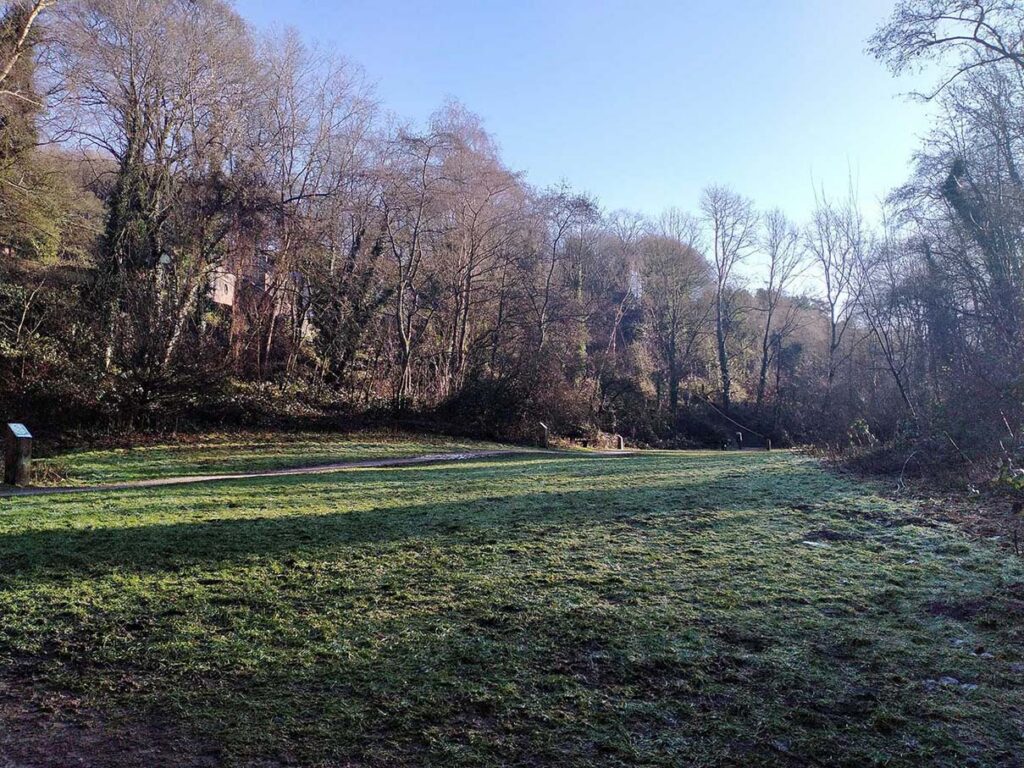
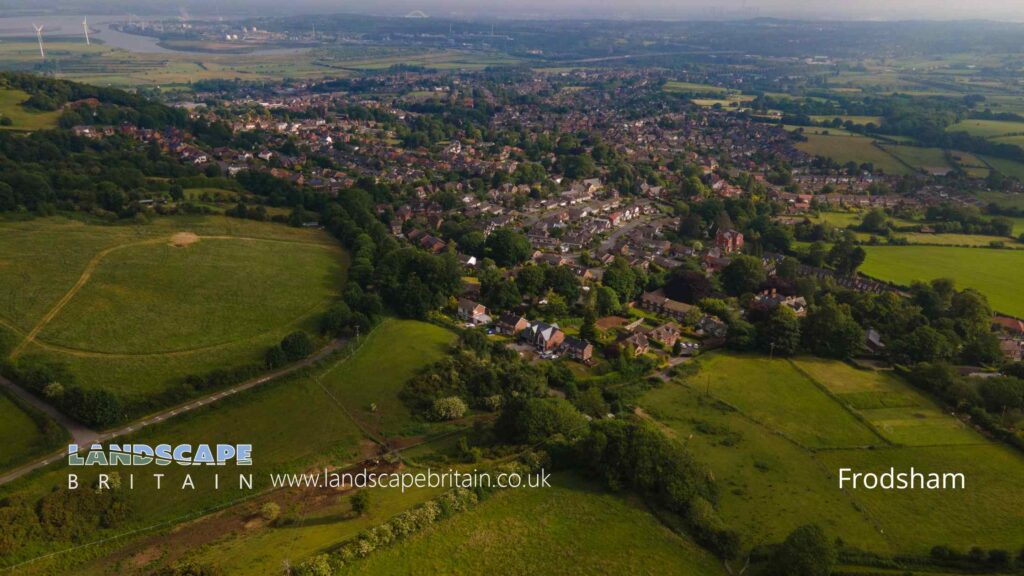
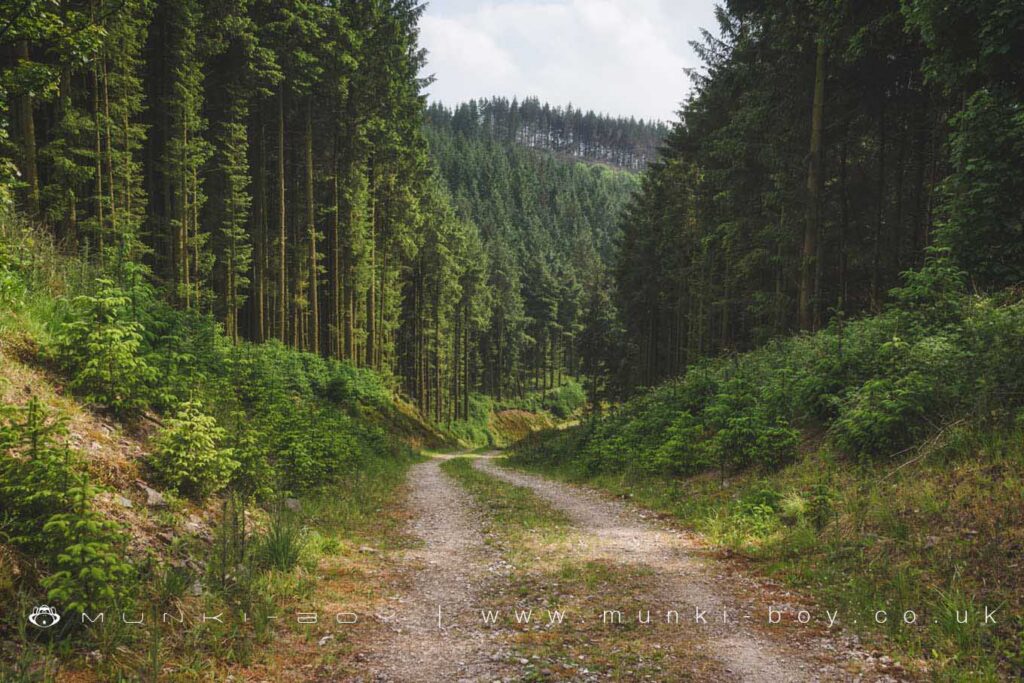
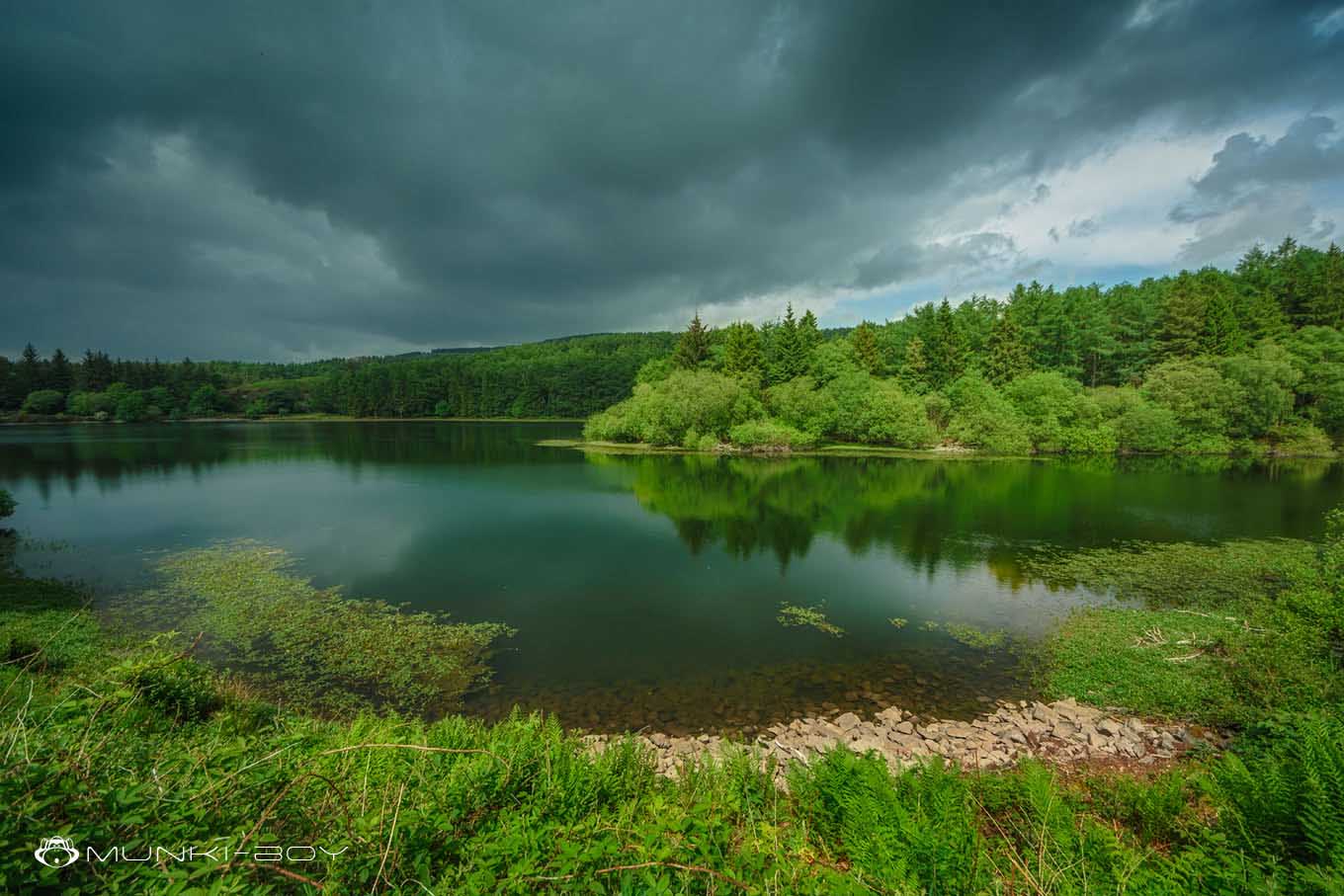
The natural environment of Cheshire is varied and appealing, with a gentle landscape broken up by low hills, meres, rivers, and wooded valleys. The Cheshire Plain provides expansive views across farmland, while the sandstone ridge running through the county offers more elevated scenery and popular walking routes. Areas such as Delamere Forest and the peak-fringed countryside around Macclesfield provide opportunities for hiking, cycling, and wildlife watching. Canals also feature prominently, including the Shropshire Union Canal and the Trent and Mersey Canal, which add character to many towns and villages and remain popular for boating and towpath walks.
Culturally, Cheshire has a strong sense of local identity, with lively market towns such as Nantwich, Knutsford, Congleton, and Macclesfield each offering their own character and traditions. Chester, with its cathedral, theatre, museums, and shops, serves as a cultural hub. Festivals celebrating food, arts, heritage, and agriculture take place throughout the year, reflecting the county’s mix of rural customs and contemporary interests. The area is also known for its distinctive red-brick villages, leafy suburbs, and longstanding equestrian traditions, with horse breeding and riding remaining popular.
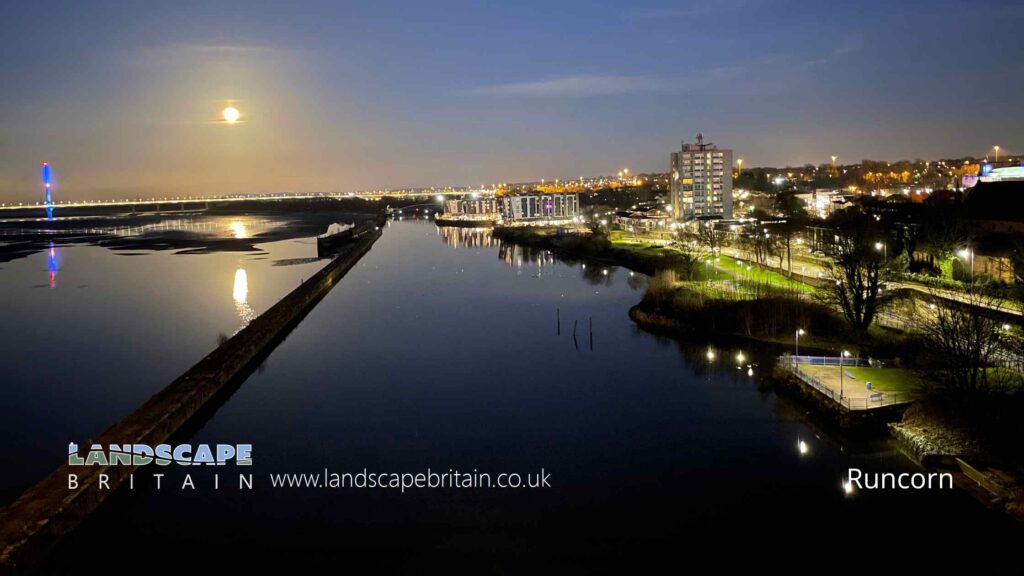
Over recent decades, Cheshire has seen growth in commuter towns and transport links, largely due to its proximity to Manchester, Liverpool, and the Midlands. Despite this, the county has managed to preserve much of its rural charm and architectural character. Tourism, heritage conservation, and local food production continue to play important roles, while new developments focus on balancing economic progress with the preservation of countryside and community life.
With its combination of rich history, attractive landscapes, strong cultural traditions, and modern economic activity, Cheshire offers a diverse and characterful slice of rural England. Whether exploring historic Chester, walking through forests and farmland, or visiting one of the many stately homes, the county presents a welcoming blend of past and present.