Explore The British Isles

Argyll
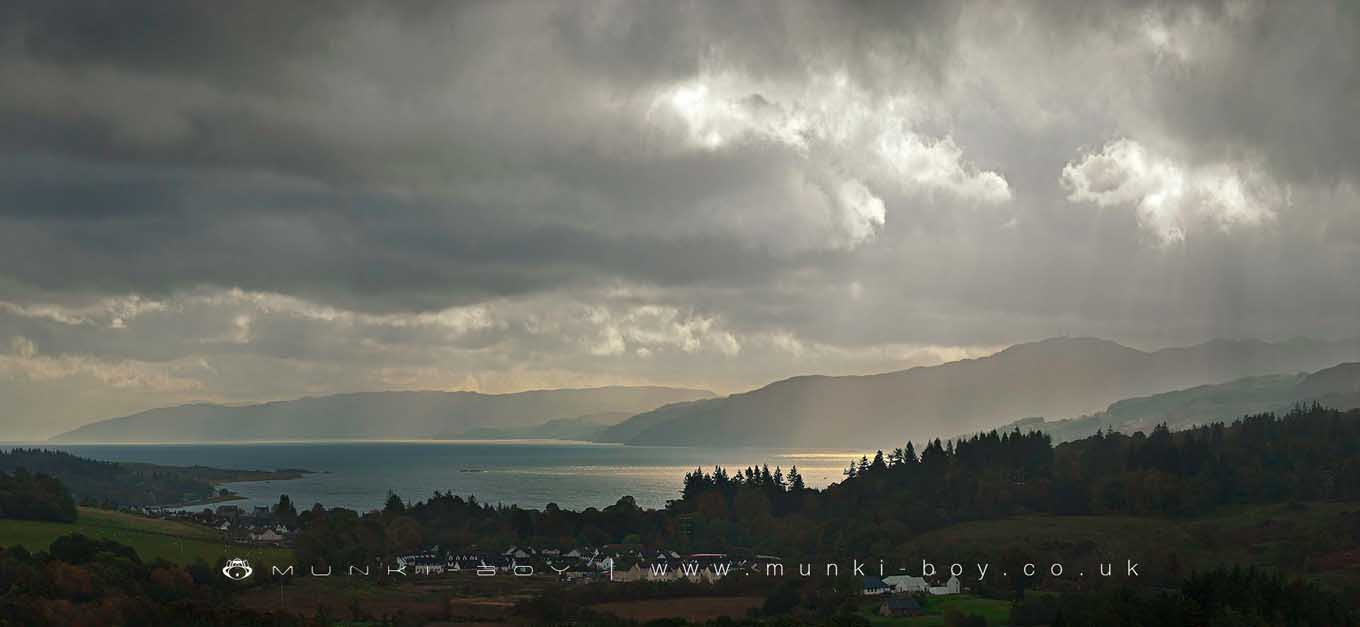
Argyll is a vast and varied region on the west coast of Scotland, known for its dramatic landscapes, deep lochs, scattered islands, and rich cultural heritage. Stretching from the shores of Loch Lomond to the rugged Atlantic coastline and encompassing numerous peninsulas, Argyll has long been celebrated for its natural beauty and sense of remoteness. Covering a large area with a relatively small population, the region offers a striking contrast between quiet rural communities and sweeping wilderness, making it one of Scotland’s most distinctive and characterful areas.
The history of Argyll is deeply interwoven with the story of Scotland itself. As the ancient heartland of the Kingdom of Dál Riata, it was the birthplace of the early Scots who brought Gaelic language and culture from Ireland. The region is dotted with archaeological sites, from standing stones and burial cairns to medieval castles that overlook sea lochs and islands. Places such as Kilmartin Glen, with its remarkable concentration of prehistoric monuments, are reminders of thousands of years of settlement and spiritual significance. Many of these sites remain in atmospheric rural locations, giving a strong connection to Scotland’s past.
Argyll’s coastline is one of its most defining features. With countless inlets, bays, and sea lochs, as well as the islands of the Inner Hebrides nearby, the area has traditionally relied on the sea for transport, trade, and livelihood. Fishing and small-scale crofting remain part of the landscape, while ferries connect the mainland with islands such as Mull, Iona, Islay, Jura, and Coll. These islands contribute enormously to Argyll’s character, each offering its own blend of scenery, wildlife, and cultural traditions. Islay is world-famous for its whisky distilleries, Mull for its colourful harbour at Tobermory and rich wildlife, and Iona for its ancient abbey and spiritual legacy.
Nature is central to life in Argyll. The region boasts a diverse range of habitats, from Atlantic oak forests and moorlands to rugged mountains and long, sheltered lochs. Wildlife thrives here, including red deer, golden eagles, otters, seals, and a wide variety of seabirds. Outdoor activities are a major draw, with opportunities for hillwalking, cycling, kayaking, sailing, and wildlife watching. The scenery varies dramatically even within short distances, offering everything from gentle lochside walks to challenging mountain routes in areas such as Arrochar and the western fringes of the Highlands.
Culturally, Argyll retains a strong sense of identity rooted in Gaelic heritage, traditional music, and local craftsmanship. Many communities host festivals celebrating music, language, and local produce, while village halls remain important social centres. The region’s towns, such as Oban, Campbeltown, Dunoon, and Inveraray, each have their own histories and landmarks. Oban, often described as the “Gateway to the Isles”, is a bustling harbour town with ferries departing daily for the Hebrides. Inveraray, with its striking white-fronted buildings and grand castle, offers a glimpse into the influence of the Duke of Argyll and the long-standing importance of the Campbell clan.
Despite its rural character, Argyll has been adapting to modern demands while preserving its heritage and environment. Tourism plays a significant role in the local economy, driven by the region’s landscapes, historic sites, and outdoor attractions. Renewable energy developments, particularly wind and tidal power, also feature prominently due to the area’s natural resources. Throughout this evolution, Argyll continues to balance progress with respect for its traditions and landscapes.
With its blend of ancient history, rugged beauty, island life, and strong cultural roots, Argyll offers a uniquely Scottish experience. Whether exploring remote glens, visiting historic sites, or simply taking in the views along the coastline, the region has a depth and character that leaves a lasting impression.